
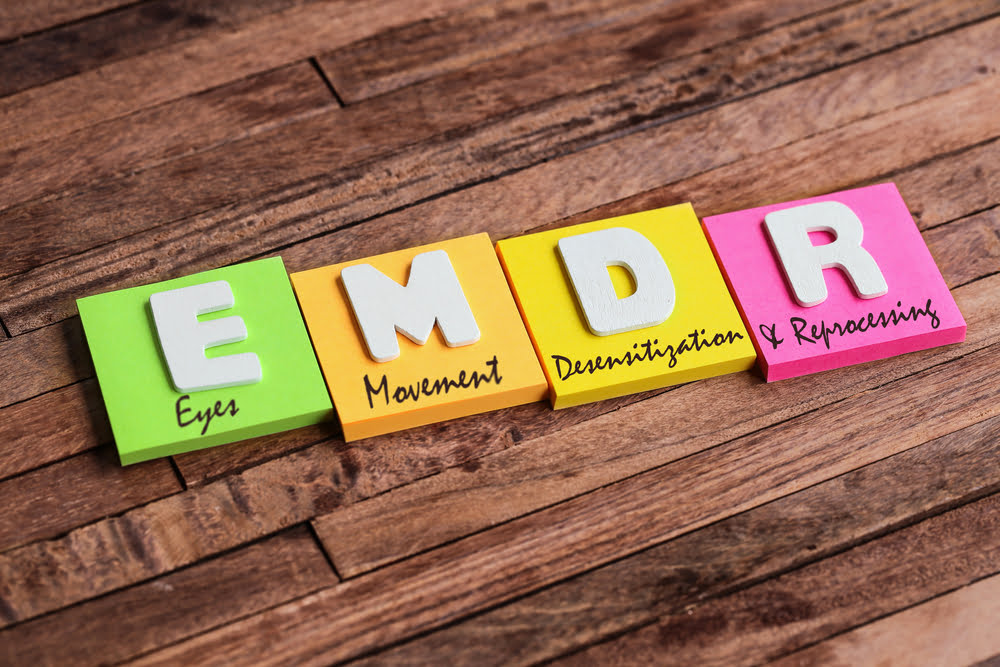
EMDR therapy is based on the Adaptive Information Processing (AIP) model, a theory that explains how the brain stores memories, developed by Francine Shapiro, Ph.D., the creator of EMDR. This model differentiates between the storage of normal and upsetting (or traumatic) memories.
Under normal circumstances, the brain processes and networks memories efficiently, linking them to other remembered experiences. However, during traumatic events, this networking is disrupted. The brain’s processing can become overloaded, creating a disconnect between the sensory experience and its linguistic storage in memory.
Traumatic memories are often stored in a manner that hinders healthy healing, similar to an untreated wound. This lack of proper processing leaves the brain in a state of constant alertness to perceived danger. Future experiences can unintentionally trigger these trauma memories, reinforcing negative reactions and creating a heightened mental sensitivity, analogous to physical pain sensitivity from an injury.
This phenomenon occurs with both conscious and suppressed memories. The brain’s effort to avoid these painful memories doesn’t work long-term, leading to ongoing negative symptoms, emotions, and behaviors.
Understanding Triggers in PTSD
Triggers can be anything that is connected with an upsetting past event and can activate these improperly stored memories. Examples are smells, locations, songs, people, or even times of year that are similar to what happened in the past. These activated trauma memories can evoke intense emotions such as fear, anxiety, anger, or panic, unlike typical memory recall.
A notable example is PTSD flashbacks, where the improper memory storage and networking cause uncontrolled, distorted, and overpowering memory recall. Individuals experiencing flashbacks often feel as though they are reliving the traumatic event, making the past feel like the present. Triggers can also cause less dramatic, but similarly upsetting and disruptive, responses. Consider having a past experience in elementary school with reading out loud in class, when the whole class laughed at a mistake. Later on in life, imagine needing to present during a work meeting. The similar situation might trigger some of the same insecurities, fears, and embarrassment you felt in that classroom.
Reprocessing and Repair Through EMDR
EMDR therapy involves accessing trauma memories in specific ways, combined with eye movements and guided instructions. This method allows for the reprocessing of traumatic memories, facilitating a mental ‘repair.’ As a result, the memory of the traumatic event shifts from a distressing reliving experience to a more manageable recollection.
EMDR therapy aims to alleviate the distress associated with trauma memories, significantly improving the quality of life for those affected by traumatic experiences. Through this therapeutic process, individuals can transform their relationship with traumatic memories, leading to healing and recovery.
Conditions and Problems Treated by Eye Movement Desensitization and Reprocessing

EMDR (Eye Movement Desensitization and Reprocessing) is widely known for its effectiveness in treating Post-Traumatic Stress Disorder (PTSD). However, its application extends to a range of mental health conditions:
- Anxiety Disorders: EMDR is used to treat various anxiety-related issues, including Generalized Anxiety Disorder, Panic Disorder, Phobias, and Social Anxiety/Phobia.
- Depression Disorders: It’s effective for Major Depressive Disorder, Persistent Depressive Disorder, and depression related to illnesses.
- Dissociative Disorders: EMDR can aid in treating Dissociative Identity Disorder, Amnesia, Depersonalization, and Derealization Disorder.
- Eating Disorders: The therapy is applied to manage conditions like Anorexia Nervosa, Bulimia Nervosa, and Binge-Eating Disorder.
- Couples: EMDR can support a couple in each reprocessing past events in their relationship that may have contributed to resentment, insecurities, or shutting down emotionally.
- Obsessive-Compulsive Disorders: This includes treatment for Obsessive-Compulsive Disorder (OCD), Body Dysmorphic Disorder, and Hoarding Disorder.
- Personality Disorders: It is also utilized in addressing Borderline Personality Disorder, Avoidant Personality Disorder, and Antisocial Personality Disorder.
- Trauma Disorders: Beyond PTSD, EMDR is effective for Acute Stress Disorder and Adjustment Disorder.
EMDR’s versatility in treating these diverse conditions underlines its value as a therapeutic tool in mental health treatment. [2]
How Common is Eye Movement Desensitization and Reprocessing Therapy?
EMDR therapy is highly prevalent globally. In the United States, it is famous as a “best practice” for treating veterans with PTSD by both the Department of Veterans Affairs and the Department of Defense. Extensive research supports this therapy, including numerous clinical trials and academic studies. Its effectiveness and credibility are further endorsed by the World Health Organization (WHO) and various government organizations in countries like the United Kingdom, Australia, and Germany. This widespread acceptance underscores EMDR’s significance in the mental health field.
Is EMDR Controversial?
While EMDR is widely accepted as an effective treatment, there is some controversy regarding its underlying mechanisms, particularly how it works in relation to the brain’s memory processing. Dr. Francine Shapiro, the creator of EMDR, developed a theory about memory storage based on her discovery of the eye movement technique that forms the basis of this therapy.
However, the controversy mainly surrounds the reasons why EMDR is effective, rather than its efficacy itself. Numerous controlled trials and research studies have consistently demonstrated EMDR’s effectiveness. This substantial body of research confirms that, despite debates over its operational mechanisms, EMDR is a valid and powerful therapeutic tool for treating a variety of psychological conditions.
EMDR Therapy Procedure Details

EMDR therapy follows a structured approach with eight phases, spread across multiple sessions tailored to each individual’s needs and the complexity of their trauma. A brief overview of these phases includes:
- Patient History and Information Gathering: This phase is about collecting detailed background information and identifying key areas for therapy.
- Preparation and Education: The therapist explains the EMDR process, preparing the individual emotionally and mentally for the sessions.
- Assessment: Identifying specific trauma memories and associated negative and positive beliefs is central to this phase.
- Desensitization and Reprocessing: Here, the therapist activates the traumatic memory, focusing on negative images and sensations to aid processing.
- Installation: This phase reinforces positive beliefs linked to the traumatic memory, facilitating a perspective shift.
- Body Scan: Individuals focus on physical sensations tied to the memory, helping track therapy progress.
- Closure and Stabilization: Ensuring the individual feels stable and calm post-session, this phase includes strategies for between sessions.
- Reevaluation and Continuing Care: The final phase reviews progress and adjusts future therapy goals.
The duration of EMDR therapy varies, typically three to six sessions for single events, and more for complex traumas. Each session usually lasts between one to one and a half hours. Some therapist have begun to add longer, “intensive,” sessions, lasting from 3-8 hours. This phased method ensures comprehensive and individualized treatment, aiming for full recovery. [3]
Sense Activation During Phase 4 of EMDR
In Phase 4 of EMDR therapy, stimulating the senses, particularly through bilateral stimulation, plays a crucial role. Initially, EMDR predominantly involved visual stimulation. Healthcare providers would use a simple technique involving hand movements. They would extend two fingers and ask the patient to follow these with their eyes, moving side to side.
Over time, EMDR has evolved to incorporate additional methods for sensory stimulation:
- Visual Stimulation with Light Devices: Modern EMDR sessions often use specialized equipment, such as light bars or wands. These devices have a moving light that patients follow with their eyes, mirroring the traditional hand movement method.
- Auditory Stimulation: Some EMDR approaches utilize auditory cues for bilateral stimulation. This involves the use of speakers positioned on either side of the patient, emitting tones or sounds that the patient alternately focuses on.
- Tactile Stimulation: For patients comfortable with this method, tactile stimulation can be employed. This might involve the therapist tapping on the patient’s hands, arms, or thighs. Alternatively, devices that emit a pulsing sensation can be held in the patient’s hands, providing bilateral tactile stimulation.
These diverse methods of sensory activation in EMDR are effective in engaging the brain’s information processing systems. By doing so, they facilitate the reprocessing of traumatic memories, which is the core objective of Phase 4 in EMDR therapy. Each method caters to different patient preferences and needs, making EMDR a versatile and adaptable therapeutic approach.
Benefits and Downsides of Eye Movement Desensitization and Reprocessing Therapy

EMDR (Eye Movement Desensitization and Reprocessing) therapy, while an effective treatment for trauma-related conditions, comes with its own set of advantages and disadvantages.
Advantages of EMDR
- Effectiveness: Numerous studies support EMDR’s efficacy in treating trauma, upsetting events, self-esteem, and PTSD, demonstrating its success in therapeutic settings.
- Rapid Results: EMDR tends to produce results faster than traditional therapy methods, with patients often seeing improvements sooner.
- Minimal Homework: Unlike other therapies that may require extensive journaling or tasks outside sessions, EMDR typically involves less homework. Patients might only need to note thoughts or ideas to discuss in upcoming sessions.
- Lower Stress Levels: EMDR focuses on processing and moving beyond trauma, rather than reliving traumatic events, which can make it less stressful than other therapeutic approaches.
Disadvantages of EMDR
- Limited Scope: EMDR is specifically effective for traumatic or upsetting life experiences. It may not be helpful for mental health issues stemming from genetic, physical brain effects, or injuries.
- Theoretical Underpinnings: The exact mechanism of why EMDR works remains largely theoretical. This is the case for many highly-effective therapy methods, because neuroscience research is still largely in its infancy. Research supports its effectiveness. However, the scientific explanation behind its success needs more research to fully understand it.
- Relative Novelty: Introduced in 1989, EMDR is newer compared to other, longer-established therapy methods. This relative novelty means that we need more research to fully understand its long-term efficacy and additional areas of mental health it could be effective with.
EMDR therapy presents a compelling option for treating trauma, with notable benefits such as its quick efficacy and focus on moving past, rather than reliving, traumatic experiences. However, its suitability is specific to trauma-related conditions, and its relatively recent development calls for ongoing research to fully grasp its long-term impacts and applications. [4]
Risks of Eye Movement Desensitization and Reprocessing Therapy
EMDR (Eye Movement Desensitization and Reprocessing) has very low risks. The most common side effects are similar to those for other therapy methods, including experiencing negative thoughts or feelings between sessions. The guidance of your healthcare provider can help you manage these side effects. Your healthcare provider can offer strategies to understand and respond to these reactions effectively.
Recovery and Outlook of Eye Movement Desensitization and Reprocessing Therapy
- Recovery Time: The duration of EMDR therapy varies, generally ranging from several weeks to a few months. Recovery time between individual sessions is minimal.
- Self-care Guidance: Your healthcare provider plays a crucial role in advising how to take care of yourself between sessions, ensuring a smooth recovery process.
When to Contact Your Healthcare Provider
- Regular Appointments: It’s essential to see your healthcare provider as recommended and discuss any concerns about the frequency of visits.
- Change in Symptoms: If you observe changes in your symptoms or find them impacting your life differently, it’s important to communicate this with your provider.
Emergency Situations
In case of severe mental health crises, especially if you experience thoughts of self-harm or suicide, immediate emergency care is necessary:
- Suicide and Crisis Lifeline (U.S.): Dial 988 for urgent support in crisis situations.
- Local Crisis Lines: Many mental health organizations offer crisis lines for immediate help.
- 911 or Local Emergency Services: If you’re in immediate danger of harming yourself, calling 911 or your local emergency services number is critical. They can provide immediate assistance and dispatch first responders if needed.
It’s crucial to be proactive and seek help in managing the aftereffects of traumatic experiences. EMDR therapy, while low-risk, still requires careful attention to emotional responses and symptoms during the course of treatment.
Conclusion: Transformative Healing with EMDR Therapy
Eye Movement Desensitization and Reprocessing (EMDR) therapy has emerged as a significant tool in mental health, especially valuable for those in Detroit dealing with trauma. EMDR’s effectiveness in reprocessing traumatic memories offers a path to healing that differs from traditional therapy methods. It’s a therapy that engages deeply with the mind’s and brain’s healing abilities, allowing individuals to transform their traumatic experiences.
Moreover, EMDR’s structured approach, through its eight phases, ensures a comprehensive treatment. The therapy’s use of various sensory stimulation techniques caters to each individual’s needs, making it adaptable and patient-centric. Known for its quick results and less stressful approach compared to other therapies, EMDR stands out as a preferred choice for many.
While EMDR is relatively new and some aspects of its mechanism remain theoretical, it’s effective. The therapy’s low-risk nature and the guidance provided between sessions highlight its practicality. However, maintaining communication with healthcare providers is essential for the best outcomes.
Furthermore, in times of severe mental distress, immediate help is available through resources like the Suicide and Crisis Lifeline and local emergency services. These resources are crucial in addressing mental health proactively.
EMDR therapy, particularly under skilled professionals like Jane Tobin Maxwell, represents hope and empowerment. It’s a therapy that not only addresses past traumas but also enriches individuals’ future, guiding them towards a restored sense of self and wellbeing.
Citations
- Gainer D, Alam S, Alam H, Redding H. A FLASH OF HOPE: Eye Movement Desensitization and Reprocessing (EMDR) Therapy. Also, published in Innov Clin Neurosci. 2020;17(7-9):12-20.
- Shapiro F. The role of eye movement desensitization and reprocessing (EMDR) therapy in medicine: addressing the psychological and physical symptoms stemming from adverse life experiences. Also, published in, Perm J. 2014;18(1):71-77. doi:10.7812/TPP/13-098
- Hase M. The Structure of EMDR Therapy: A Guide for the Therapist. Front Psychol. 2021;12:660753. Also, published 2021 May 25. doi:10.3389/fpsyg.2021.660753
- Hudays A, Gallagher R, Hazazi A, Arishi A, Bahari G. Eye Movement Desensitization and Reprocessing versus Cognitive Behavior Therapy for Treating Post-Traumatic Stress Disorder: A Systematic Review and Meta-Analysis. Also, published in, Int J Environ Res Public Health. 2022;19(24):16836. Published 2022 Dec 15. doi:10.3390/ijerph192416836