
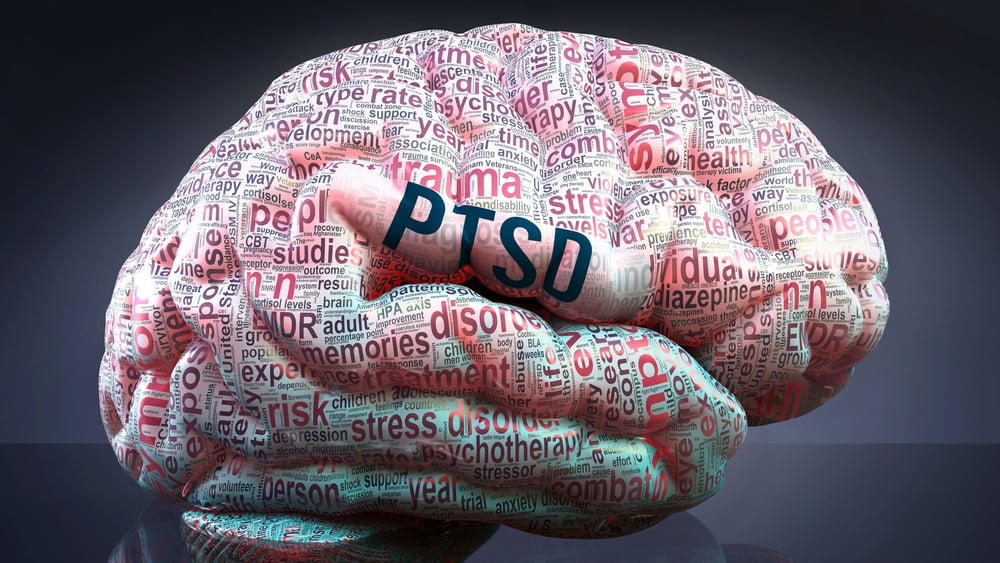
Post-Traumatic Stress Disorder (PTSD) is a complex mental health condition emerging from traumatic experiences. It significantly affects individuals’ lives and is often misunderstood. At Evoke Counseling in Detroit, counselor Jane Tobin Maxwell offers hope and comprehensive treatment for those grappling with PTSD’s debilitating symptoms. This article aims to clarify what PTSD is, dispel misconceptions, and explore its multifaceted nature and the available treatment options.
PTSD goes beyond a mere response to trauma; it’s an enduring condition that affects individuals, families, and communities. Recognizing the need for personalized care, Evoke Counseling, under Jane Tobin Maxwell’s leadership, provides empathetic, holistic therapy.
This piece will cover PTSD’s symptoms, causes, treatments, and personal recovery stories, aiming to equip readers with a deeper understanding and to inspire hope in those affected by PTSD.
The Nature of Post-Traumatic Stress Disorder
Post-Traumatic Stress Disorder (PTSD) profoundly alters an individual’s response to stress and trauma. It often arises from directly experiencing traumatic events like military combat, natural disasters, or interpersonal conflict. It can also stem from indirect experiences, like witnessing a trauma or hearing about a loved one’s traumatic experience.
In addition, PTSD’s complexity lies in how it varies from person to person. Factors like personal history, resilience, and the trauma’s nature influence its manifestation. Symptoms might appear right after the trauma or emerge much later. This variability challenges both diagnosis and understanding for those affected and their loved ones.
In PTSD, the typical fight-or-flight response changes. Individuals remain alert long after the danger passes. This constant vigilance is exhausting and overwhelming, disrupting daily life and overall well-being. PTSD involves more than reliving trauma; it’s a persistent edge that mundane situations can easily disrupt.
Finally, PTSD often coexists with other mental health issues like depression, anxiety, and substance abuse. This coexistence complicates both diagnosis and treatment. The blend of conditions creates unique symptom combinations for each person. Thus, personalized treatment plans are crucial. [1]
Recognizing the Symptoms of Post-Traumatic Stress Disorder

Identifying PTSD symptoms is crucial for seeking help and starting recovery. These symptoms fall into four categories:
- Re-experiencing the Trauma: This includes flashbacks and nightmares where the trauma is vividly relived. Intrusive thoughts about the event can also occur unexpectedly, causing distress.
- Avoidance: People with PTSD may avoid places, people, or activities that remind them of the trauma, leading to detachment from daily life. This can also extend to avoiding thoughts or discussions about the traumatic event.
- Negative Changes in Cognition and Mood: This manifests as persistent negative thoughts about oneself or the world, feelings of guilt or shame, and persistent fear or anger. These changes can impact relationships, leading to isolation and depression.
- Changes in Arousal and Reactivity: Symptoms include being easily startled, constant tension, irritability, angry outbursts, and difficulty concentrating. Sleep problems are common due to ongoing alertness.
While these reactions can be normal immediately following trauma, persistent and intensifying symptoms over a month indicate PTSD. [2]
Causes and Risk Factors of Post-Traumatic Stress Disorder
Post-Traumatic Stress Disorder (PTSD) arises in the aftermath of experiencing or witnessing a traumatic event. However, not everyone exposed to trauma develops PTSD. This section explores the complex interplay of factors that increase the likelihood of developing PTSD, helping to understand why some individuals are affected more significantly than others.
Direct Exposure to Trauma
The most direct cause of PTSD is exposure to a traumatic event. This can include experiences such as military combat, serious accidents, natural disasters, terrorist attacks, or personal assaults such as robbery, rape, or physical violence. Moreover, direct exposure isn’t limited to those who are the primary victims; it can also affect first responders, healthcare workers, and even witnesses.
Indirect Exposure to Trauma
Indirect exposure can also lead to PTSD. This might involve learning about a traumatic event that has affected someone close, such as a family member or friend. For professionals who are repeatedly exposed to details of traumatic events, such as police officers or therapists, this repeated indirect exposure can cumulate in PTSD symptoms.
Personal Factors
Personal history plays a crucial role in the development of PTSD. Prior experiences of trauma, pre-existing mental health conditions, and family history of mental health disorders can increase the likelihood of developing PTSD after a traumatic event. Moreover, the individual’s ability to cope with stress, the presence of a robust support system, ability to get sleep, and overall psychological resilience also influence PTSD risk.
The Nature of the Traumatic Event
The severity and duration of the traumatic event are crucial factors. Prolonged exposure to stress, life-threatening situations, or severe injury can increase the likelihood of developing PTSD. The nature of the trauma – whether it involved physical harm, was perpetrated by another person, or included elements of betrayal or extreme fear – also plays a significant role.
Post-Trauma Support and Coping
The support and coping mechanisms available in the aftermath of trauma significantly influence the development of PTSD. Furthermore, lack of support from family, friends, or the community can exacerbate the condition. Conversely, a strong support network can act as a protective factor, reducing the severity of symptoms and aiding in recovery.
At Evoke Counseling in Detroit, understanding these factors is integral to the treatment approach. By recognizing the unique combination of elements that contribute to an individual’s PTSD, Jane tailors the therapeutic strategies. She focuses not just on addressing the symptoms, but also on understanding the root causes and triggers, and helping clients build resilience and coping mechanisms.
In the next section, we’ll explore the treatment and therapy options available for PTSD, highlighting the importance of a personalized approach to aid in recovery. [3]
Treatment and Therapy Options for Post-Traumatic Stress Disorder

Effectively treating Post-Traumatic Stress Disorder (PTSD) requires a multifaceted approach. Therapy and medication are the cornerstones of treatment, but the exact methods can vary depending on the individual’s unique situation and symptoms. Below, we explore the most effective treatments and therapies for PTSD.
Psychotherapy Approaches
- Cognitive Behavioral Therapy (CBT): CBT is a widely used therapy for PTSD. It involves identifying and challenging negative thought patterns related to the trauma and developing healthier thinking and behavior. CBT often includes exposure therapy, where individuals confront their traumas in a safe and controlled environment, gradually reducing the fear and distress they cause.
- Eye Movement Desensitization and Reprocessing (EMDR): EMDR therapy is designed to help process and integrate traumatic memories. The therapy involves recalling trauma-related imagery while receiving bilateral sensory input, such as side-to-side eye movements or hand tapping. This process is thought to lessen the emotional impact of the memories over time.
- Prolonged Exposure Therapy: This therapy involves gradual, repeated exposure to trauma-related cues and situations that have been avoided due to causing distress. Accordingly, the goal is to diminish the power these triggers hold by systematically confronting them.
- Cognitive Processing Therapy (CPT): CPT helps individuals with PTSD reevaluate and change their thoughts about the trauma. It focuses on understanding how traumatic events alter one’s thoughts and feelings and how to reshape these into a more balanced perspective.
Medications and Post-Traumatic Stress Disorder
Medication can be an important part of treatment, especially for managing specific symptoms of PTSD:
- Antidepressants: Medications like selective serotonin reuptake inhibitors (SSRIs) and serotonin-norepinephrine reuptake inhibitors (SNRIs) are often prescribed for PTSD. They can help reduce symptoms of depression and anxiety, which are commonly associated with PTSD.
- Mood Stabilizers and Antipsychotics: In some cases, mood stabilizers or antipsychotics may be recommended, especially if there are co-occurring symptoms like severe agitation or dissociation.
- Prazosin: Prazosin is a medication that can help reduce nightmares and sleep disturbances in people with PTSD.
Supportive Therapies and Alternative Treatments in Post-Traumatic Stress Disorder
- Group Therapy: Group therapy offers an environment where individuals can share their experiences and feelings with others who have similar experiences. This setting provides mutual support and validation, which is valuable in the healing process.
- Family Therapy: PTSD can significantly impact family dynamics. Family therapy can be beneficial in helping family members understand the condition and learn ways to support their loved one.
- Mindfulness and Stress Reduction Techniques: Practices such as mindfulness, meditation, and yoga can help manage the stress and anxiety associated with PTSD.
- Art and Music Therapy: These therapies use creative expression as a way to process traumatic experiences and express emotions that might be difficult to verbalize.
At Evoke Counseling in Detroit, the approach to treating PTSD is individualized, recognizing that each person’s experience with trauma is unique. Jane emphasizes the importance of a tailored treatment plan that addresses not just the symptoms but the whole person. This holistic approach can include a combination of therapies and treatments, adjusted over time as the individual’s needs change.
In the following sections, we will discuss the importance of support in recovery, explore PTSD in specific populations, and look at personal recovery stories, further illuminating the path to healing from PTSD. [4]
The Role of Support in Recovery from Post-Traumatic Stress Disorder
Support plays a vital role in the journey to recovery for those suffering from Post-Traumatic Stress Disorder (PTSD). It comes in various forms, from professional care to the empathy of loved ones and peers. This multifaceted support network is crucial in helping individuals navigate the complexities of PTSD and find their way back to a sense of normalcy and wellness.
Professional Support
- Therapeutic Relationships: A strong therapeutic alliance with a counselor, psychologist, or therapist is foundational to successful PTSD treatment. Professionals like Jane Tobin Maxwell at Evoke Counseling in Detroit offer not only their expertise but also provide a safe, understanding space for patients to process their trauma.
- Medical Care: Regular consultations with healthcare providers, including psychiatrists for medication management, are important. They help in monitoring the individual’s progress, adjusting treatments as needed, and managing any medication-related side effects.
Personal and Community Support
- Family and Friends: The support of family and friends is invaluable. Loved ones who offer a listening ear, a shoulder to lean on, or help in everyday tasks can make a significant difference in a person’s recovery journey. Education about PTSD can also enable family and friends to provide more effective support.
- Peer Support: Connecting with others who have experienced similar traumas or are going through the same healing process can be extremely therapeutic. Peer support groups offer a sense of community and understanding, making individuals feel less isolated in their experiences.
- Community Resources: Community resources, including support groups, workshops, and seminars, can provide additional layers of support. They often offer education about PTSD, coping strategies, and opportunities to connect with others in the community facing similar challenges.
The Importance of a Supportive Environment
- Workplace Understanding: Support in the workplace, through accommodations or an understanding employer, can help individuals manage their symptoms while maintaining their professional responsibilities.
- School and Academic Support: For younger individuals and students, academic support and understanding from teachers and peers can aid significantly in managing PTSD symptoms in an educational setting.
The healing journey from PTSD is not one that should be walked alone. The support system surrounding an individual can dramatically impact the effectiveness of treatment and the speed of recovery. At Evoke Counseling, the importance of building and maintaining these support networks is emphasized in treatment plans. Jane Tobin Maxwell works not just with the individuals but often engage with their wider support systems to facilitate a comprehensive and supportive recovery environment.
In the next sections, we will explore the nuances of PTSD in specific populations, share personal recovery stories, and examine the broader impact of PTSD on relationships and daily life, providing a holistic view of the journey to recovery from this complex condition. [5]
Post-Traumatic Stress Disorder in Specific Populations
Post-Traumatic Stress Disorder (PTSD) does not discriminate – it can affect anyone who has been exposed to trauma. However, certain populations may be more susceptible to PTSD due to the nature of their experiences or increased exposure to traumatic events. Understanding the unique challenges faced by these groups is essential for providing effective and compassionate care.
Military Veterans
- Combat Exposure: Military personnel often experience traumatic events in combat, including exposure to life-threatening situations and witnessing severe injuries or death. These experiences can leave lasting psychological scars.
- Tailored Treatment Approaches: Treatment for veterans may involve addressing specific combat-related traumas and may integrate support for transitioning back into civilian life.
First Responders
- Repeated Trauma Exposure: First responders, such as police officers, firefighters, and paramedics, are repeatedly exposed to traumatic situations as part of their job. This continuous exposure can increase the risk of developing PTSD.
- Resilience Training: Treatment often includes resilience training to help cope with the daily stressors of their jobs, alongside traditional PTSD therapies.
Survivors of Personal Assaults
- Intense Personal Trauma: Individuals who have experienced personal assaults, such as sexual or physical abuse, often face deeply personal traumas. The violation of personal safety and trust can profoundly impact mental health.
- Trauma-Informed Care: Treatments for these individuals often require a trauma-informed approach that addresses issues of safety, trust, and empowerment.
Children and Adolescents
- Developmental Impact: Trauma can significantly impact a child’s development. Children and adolescents may express PTSD differently than adults, sometimes manifesting through behavioral changes, difficulties in school, or emotional outbursts.
- Age-Appropriate Interventions: Treatment for young individuals often includes play therapy or family therapy, providing age-appropriate ways to process and talk about their experiences.
Refugees and Displaced Individuals
- Complex Trauma: Refugees often experience complex traumas, including war exposure, forced displacement, and loss of loved ones. These experiences can be compounded by adjustment challenges in new environments.
- Cultural and Linguistic Sensitivity: Treatment should be culturally and linguistically appropriate, taking into account the individual’s background and experiences.
At Evoke Counseling, the diversity of PTSD experiences is recognized, and treatment plans are tailored to the unique needs of each population. Jane is committed to providing individualized care that respects the specific backgrounds and experiences of each client.
Understanding PTSD in these specific populations is crucial for effective treatment and support. In the following sections, we will delve into personal stories of recovery, examine the impact of PTSD on relationships and work life, and explore coping strategies and self-care, further illuminating the path to healing from this complex condition. [6]
Living with Post-Traumatic Stress Disorder: Personal Stories
The journey through Post-Traumatic Stress Disorder (PTSD) is deeply personal and varied. Personal stories of those who have lived with PTSD offer invaluable insights into the realities of the condition, shedding light on both the struggles and the triumphs of the healing process. These narratives not only humanize the condition but also provide hope and guidance to others facing similar challenges.
The Struggle for Normalcy
- Daily Challenges: Individuals with PTSD often describe their daily lives as a continuous battle against triggers and symptoms. Simple activities like going to the grocery store or driving can become daunting due to heightened anxiety and hypervigilance.
- Relationship Strains: Many recount how PTSD has strained their personal relationships, affecting communication, intimacy, and trust. The constant state of tension can create barriers, even with close family and friends.
Pathways to Healing
- Therapeutic Breakthroughs: Stories of breakthroughs in therapy sessions often serve as pivotal moments in recovery. Whether through processing the trauma or learning new coping strategies, these moments mark significant steps towards healing.
- Finding Support: Many emphasize the crucial role of support from family, friends, and support groups. Finding others who understand and can share in the healing journey can be transformative.
Overcoming Stigma
- Breaking Silence: Sharing personal experiences with PTSD helps in breaking the stigma surrounding the condition. By opening up about their struggles, individuals pave the way for greater understanding and empathy within the community.
- Advocacy and Awareness: Some turn their experiences into advocacy, raising awareness about PTSD, and supporting others in similar situations. This not only aids their own recovery but also contributes to a more informed and supportive society.
Hope and Resilience
- Small Victories: Small victories, like being able to sleep through the night, managing a trigger without a severe reaction, or reconnecting with loved ones, usually describe most of the recovery stories. These milestones are celebrated as significant achievements on the road to recovery.
- Resilience and Growth: Many find that navigating the challenges of PTSD leads to unexpected personal growth and resilience. They develop a deeper understanding of themselves and a greater appreciation for life.
At Evoke Counseling, these personal stories are integral to the therapeutic process. Jane encourages the sharing of experiences as a way to foster healing and connection. These narratives are not only therapeutic for the individual but also serve as powerful reminders of the strength and resilience inherent in the human spirit.
In the next sections, we will explore the broader impacts of PTSD on relationships and work life, and the importance of coping strategies and self-care in managing PTSD symptoms. [7]
The Impact of Post-Traumatic Stress Disorder on Relationships and Work Life
Living with Post-Traumatic Stress Disorder (PTSD) extends beyond the individual; it reaches into their relationships and work life, often reshaping their interactions and personal experiences in profound ways.
Impact on Personal Relationships
- Communication Struggles: Individuals with PTSD may find it difficult to express their feelings and needs, leading to misunderstandings and conflicts. The emotional numbness or irritability associated with PTSD can make open communication challenging.
- Intimacy and Trust Issues: PTSD can significantly impact intimacy and trust within relationships. Traumatic experiences might lead to a sense of vulnerability or fear, making it difficult for individuals to establish or maintain close bonds.
- Supporting a Partner with PTSD: Partners of those with PTSD may face their own set of challenges. They often need to learn how to provide support without overstepping, understanding the balance between empathy and enabling, and knowing when to seek outside help.
Impact on Professional Life
- Workplace Challenges: PTSD symptoms like difficulty concentrating, irritability, or avoidance can hinder professional performance. Individuals may struggle with tasks they once found manageable, and interactions with colleagues can become strained.
- Navigating Accommodations: Seeking workplace accommodations can be a crucial step for many. However, disclosing a PTSD diagnosis in a professional setting requires careful consideration, balancing the need for support with concerns about stigma or misunderstanding.
- Career Adjustments: In some cases, individuals with PTSD may find it necessary to reevaluate their career choices, seeking environments that are less stressful or triggering.
The Role of Employers and Colleagues
- Creating a Supportive Environment: Understanding and supportive employers and colleagues can make a significant difference. Fostering an environment where mental health is acknowledged and accommodated can aid in recovery and improve overall job satisfaction.
- Mental Health Resources: Workplaces that provide access to mental health resources, including counseling services or stress management workshops, contribute positively to the well-being of employees with PTSD.
At Evoke Counseling, understanding the wider impact of PTSD on an individual’s life is a key component of the therapeutic process. Jane works not only to address the symptoms of PTSD but also to equip individuals with strategies to manage its impact on their personal and professional lives. This holistic approach recognizes that healing from PTSD involves addressing the condition’s effects on all areas of life.
In the next sections, we will discuss coping strategies and self-care practices that are crucial in managing PTSD symptoms, further illuminating the journey towards recovery and resilience. [8]
Coping Strategies and Self-Care in Managing Post-Traumatic Stress Disorder

Effectively managing Post-Traumatic Stress Disorder (PTSD), of course, involves a combination of professional treatment and personal coping strategies. Besides, self-care plays a significant role in this process, empowering individuals to regain control and improve their quality of life. Below are some key strategies and practices:
Developing Healthy Coping Mechanisms
- Mindfulness and Relaxation Techniques: Practices such as mindfulness meditation, deep breathing exercises, and progressive muscle relaxation can help manage anxiety and stress. These techniques encourage a focus on the present moment, helping to mitigate symptoms of hyperarousal.
- Regular Physical Activity: Engaging in regular exercise can be a powerful tool in managing PTSD. Physical activities, especially those that incorporate mindfulness like yoga or tai chi, can reduce stress hormones and improve overall mood.
- Establishing Routine: A consistent daily routine can provide a sense of stability and predictability, which can be comforting for individuals with PTSD. This includes regular sleep patterns, meals, and dedicated time for self-care activities.
Fostering Emotional Health
- Journaling and Creative Expression: Writing or engaging in creative activities like art or music can provide an outlet for expressing feelings and processing trauma. These activities offer a non-verbal way to explore and release emotions.
- Building Support Networks: Maintaining connections with supportive family members, friends, or joining support groups can provide a sense of belonging and understanding. Sharing experiences and coping strategies with others who have similar experiences can be particularly validating.
Navigating Triggers
- Identifying and Managing Triggers: Recognizing what triggers PTSD symptoms is crucial. Once identified, strategies can be developed to either avoid these triggers when necessary or confront them in a controlled manner as part of therapy.
- Developing Emergency Plans: Having a plan for when PTSD symptoms become overwhelming can be reassuring. This might include techniques to ground oneself during flashbacks, a list of people to call for support, or safe places to go.
Seeking Balance in Life
- Setting Boundaries: Learning to set healthy boundaries, both personally and professionally, can help manage stress levels and reduce the likelihood of symptom flare-ups.
- Engaging in Enjoyable Activities: Making time for hobbies and activities that bring joy can boost overall well-being and provide a counterbalance to the challenges of managing PTSD.
At Evoke Counseling, Jane emphasizes the importance of these self-care practices as part of a comprehensive treatment plan. They work with individuals to develop personalized coping strategies that complement their therapy, acknowledging that managing PTSD is an ongoing process that extends beyond the therapy sessions.
In the next sections, we will look into advances in PTSD research and the future of PTSD treatment, exploring new horizons in understanding and managing this complex condition. [9]
Advances in Post-Traumatic Stress Disorder Research
The field of Post-Traumatic Stress Disorder (PTSD) research is continually evolving, offering new insights and hope for more effective treatments. Recent advancements have not only deepened our understanding of PTSD but also paved the way for innovative approaches to care.
Understanding the Brain and Post-Traumatic Stress Disorder
- Neuroimaging Studies: Advanced neuroimaging techniques have allowed researchers to study the brain’s structure and function in individuals with PTSD. These studies reveal changes in areas related to stress response, fear, and memory, providing a biological context for PTSD symptoms.
- Genetic Research: There is increasing interest in the genetic factors that may predispose individuals to PTSD. Understanding these genetic links can help identify those at higher risk and potentially guide preventative strategies.
Innovative Treatment Approaches
- Virtual Reality Exposure Therapy: This therapy uses virtual reality technology to safely expose individuals to trauma-related cues. By controlling the virtual environment, therapists can help patients confront and process their traumas in a safe, controlled setting.
- Pharmacogenomics: This emerging field examines how an individual’s genetic makeup affects their response to drugs. In PTSD treatment, this could lead to more personalized medication strategies, optimizing efficacy and minimizing side effects.
The Role of Lifestyle and Holistic Approaches in Post-Traumatic Stress Disorder
- Lifestyle Factors: Research is increasingly focusing on the role of lifestyle factors, such as diet and exercise, in managing PTSD. This holistic approach recognizes that mental health is interconnected with physical well-being.
- Complementary Therapies: Studies into complementary therapies such as acupuncture, yoga, and mindfulness meditation are showing promising results in managing PTSD symptoms.
Future Directions
The future of PTSD research holds great promise. Ongoing studies are exploring a range of topics, from the potential of new pharmacological treatments to the efficacy of early intervention strategies. The goal is to not only improve treatment but also to understand how to prevent the development of PTSD following traumatic events.
Moreover, at Evoke Counseling, Jane stays abreast of these developments, integrating new research findings into their treatment approaches. She recognizes that the field of PTSD treatment is dynamic. Besides, staying informed about the latest research is crucial in providing the best care. [10]
Conclusion
Exploring PTSD reveals its challenges but also paths to hope and recovery. Research advances and evolving therapies promise more effective, personalized treatments.
Besides, navigating PTSD is tough, filled with struggles and victories. Consequently, stories of resilience highlight the need for comprehensive care, understanding, and support. These are key to Evoke Counseling‘s mission in Detroit. Under Jane Tobin Maxwell’s guidance, Evoke Counseling offers empathetic and informed care. They recognize each healing path is as unique as the person walking it.
In addition, managing PTSD goes beyond clinical treatment. It involves building support networks, practicing self-care, and catering to individual needs. Supportive communities, including families and workplaces, are crucial. They significantly enhance the healing journey.
Of course, looking ahead, PTSD treatment will improve with ongoing research. This progress brings hope for those affected by PTSD, thanks to dedicated healthcare professionals.
Finally, the PTSD journey is not solitary. It’s shared with caregivers, loved ones, and the community. Together, they contribute to a world of better understanding, treatment, and support for PTSD. Of course, at Evoke Counseling, the commitment to understanding and healing PTSD is unwavering. Every step forward marks progress towards a more compassionate and hopeful future.
Citations
- van der Kolk B. Posttraumatic stress disorder and the nature of trauma. Furthermore published in, Dialogues Clin Neurosci. 2000;2(1):7-22. doi:10.31887/DCNS.2000.2.1/bvdkolk
- Mann SK, Marwaha R. Posttraumatic Stress Disorder. [Updated 2023 Jan 30]. In: StatPearls [Internet]. Treasure Island (FL): StatPearls Publishing; 2024 Jan-. Also, Available from: https://www.ncbi.nlm.nih.gov/books/NBK559129/
- Sareen J. Posttraumatic stress disorder in adults: impact, comorbidity, risk factors, and treatment. Furthermore published in, Can J Psychiatry. 2014;59(9):460-467. doi:10.1177/070674371405900902
- Mansour M, Joseph GR, Joy GK, et al. Post-traumatic Stress Disorder: A Narrative Review of Pharmacological and Psychotherapeutic Interventions. Furthermore published in, Cureus. 2023;15(9):e44905. Published 2023 Sep 8. doi:10.7759/cureus.44905
- Charuvastra A, Cloitre M. Social bonds and posttraumatic stress disorder. Furthermore published in, Annu Rev Psychol. 2008;59:301-328. doi:10.1146/annurev.psych.58.110405.085650
- Al Jowf GI, Ahmed ZT, An N, et al. A Public Health Perspective of Post-Traumatic Stress Disorder. Furthermore published in, Int J Environ Res Public Health. 2022;19(11):6474. Published 2022 May 26. doi:10.3390/ijerph19116474
- Liang L, Bonanno GA, Hougen C, Hobfoll SE, Hou WK. Everyday life experiences for evaluating post-traumatic stress disorder symptoms. Furthermore published in,, Eur J Psychotraumatol. 2023;14(2):2238584. doi:10.1080/20008066.2023.2238584
- Campbell SB, Renshaw KD. Posttraumatic stress disorder and relationship functioning: A comprehensive review and organizational framework. Furthermore published in, Clin Psychol Rev. 2018;65:152-162. doi:10.1016/j.cpr.2018.08.003
- Cleveland S, Thomas JL, Pietrzak RH, Sumner JA. Posttraumatic stress disorder and coping strategies in the postpartum period: A symptomics approach. Furthermore published in, J Psychiatr Res. 2022;154:286-292. doi:10.1016/j.jpsychires.2022.08.005
- Morland LA, Wells SY, Glassman LH, Greene CJ, Hoffman JE, Rosen CS. Advances in PTSD Treatment Delivery: Review of Findings and Clinical Considerations for the Use of Telehealth Interventions for PTSD. Furthermore published in, Curr Treat Options Psychiatry. 2020;7(3):221-241. doi:10.1007/s40501-020-00215-x